Texas artists have always worked with scale. The state’s geography is large, its cultural memory is layered, and its creative communities are spread across major cities, small towns, border regions, ranchland, desert spaces, university centers, music venues, and independent studios. That scale once made visibility difficult. An artist outside New York or Los Angeles often had to depend on galleries, local collectors, teaching positions, word of mouth, or occasional regional press.
The digital age changed that pattern, but it did not make the artist’s work easier in every way. Today, a painter in San Antonio, a sculptor in Marfa, a photographer in Houston, or a muralist in Austin can reach viewers far beyond Texas. At the same time, artists now compete with endless images, fast-moving trends, algorithmic feeds, short attention spans, and commercial pressure to turn every studio moment into content.
For a site like Joeely, which focuses on Texas artists, artistic styles, cultural influence, and creative biography, this question matters: how can artists use digital tools without flattening their work into quick posts and promotional noise? The answer begins with treating online visibility as an extension of artistic practice, not as a replacement for it.
Digital Presence Should Start With Artistic Identity
Before an artist chooses platforms, posting schedules, or online sales tools, they need to understand what makes their work recognizable. Digital visibility becomes much stronger when it grows from a clear artistic identity. That identity may come from subject matter, material, region, process, color, line, scale, history, personal experience, or repeated questions the artist returns to over time.
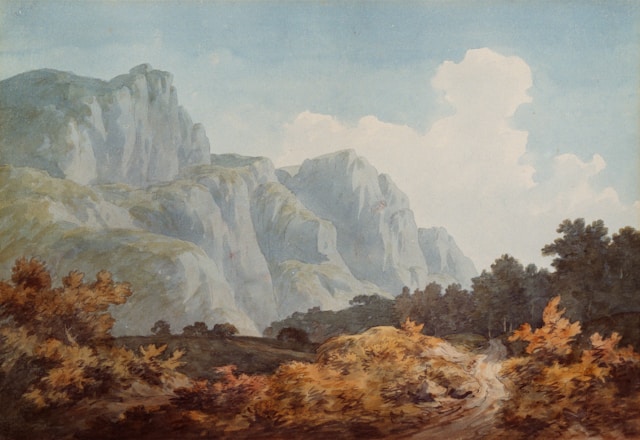
Texas artists often have rich material to work with. The landscape alone can shape an entire visual language. West Texas light, Gulf Coast humidity, borderland architecture, Hill Country wildflowers, urban growth, oil-field structures, ranch roads, and old town squares all offer different sources of form and mood. Joeely’s article on Texas landscapes shows why place is not just a backdrop. It can become part of the artist’s visual grammar.
A strong digital presence should help viewers recognize that grammar. Instead of posting random finished works with vague captions, artists can explain recurring themes. They can show why a certain color returns, why a material matters, or how a specific place affects the work. This does not reduce mystery. It gives viewers a way to enter the work with more attention.
The Internet Rewards Story, But Art Needs More Than Biography
Online audiences often respond to story. They want to know where an artist came from, what shaped them, what they are making now, and why the work matters. Biography can create emotional connection, especially for artists whose work is tied to migration, family history, cultural identity, illness, grief, humor, political memory, or place.
But biography can also become too dominant. When every artwork is explained through the artist’s personal life, viewers may stop looking carefully at the work itself. The artist becomes the product, and the art becomes evidence of the story.
This tension connects directly with Joeely’s article on viewing artists through biography. Digital platforms intensify the problem because personal storytelling often gets more engagement than slow visual analysis. Artists need to decide how much of themselves to share and where the boundary should be.
A useful digital strategy balances biography with formal attention. A caption can mention a memory or event, but it should also help viewers notice composition, process, material, symbolism, or technique. The artist’s life may open the door, but the work should still have room to stand on its own.
Online Platforms Are New Studio Doors
For many artists, the internet is now the first place a viewer encounters the work. This first encounter may happen through a website, Instagram post, gallery profile, online exhibition, newsletter, video interview, digital archive, or marketplace listing. Each platform acts like a different studio door.
A website gives the artist the most control. It can hold a portfolio, biography, exhibition history, contact details, press mentions, available works, and writing about the process. Social media is better for rhythm and conversation. Newsletters work well for deeper updates, studio notes, and collector relationships. Online shops can support sales, but only when pricing, images, shipping, and availability are clear.
The National Endowment for the Arts provides useful context on the broader arts economy, reminding us that creative work is also part of a wider cultural and economic system. For Texas artists, this matters because digital visibility is not only about likes. It can affect grants, commissions, teaching opportunities, press attention, and sales.
Digital tools should serve the artist’s real goals. A museum-oriented artist, a muralist, a craft-based maker, a commercial illustrator, and an experimental photographer do not need identical online strategies. The platform should fit the practice.
A Practical List for Stronger Artist Visibility
Artists do not need to do everything at once. A focused system is usually better than scattered activity.
A simple visibility plan can include:
- A clean portfolio website with current work and contact details
- Strong photographs of finished pieces
- Short process notes that explain materials and decisions
- A mailing list for collectors, curators, and supporters
- Clear boundaries between personal content and studio content
- Updated exhibition, commission, or project information
- Consistent image naming and archive organization
- Basic copyright awareness before posting high-resolution files
- A realistic posting rhythm that does not interrupt studio time
This list may look practical rather than glamorous, but it supports long-term professionalism. An artist who is easy to understand, contact, and document is easier to support.
Copyright Awareness Protects the Work
Digital visibility brings a serious concern: images can travel far beyond the artist’s control. A work posted online may be copied, reposted without credit, used in AI training debates, printed without permission, or separated from its context. This does not mean artists should avoid the internet. It means they should understand basic rights and make deliberate choices.
The U.S. Copyright Office explains the fundamentals of copyright, including protection for original works of authorship. Artists should not treat copyright as something only lawyers need to understand. It affects image sharing, licensing, commissions, prints, collaborations, and online portfolios.
A practical approach might include posting web-sized images, keeping records of creation dates, using written agreements for commissions, clarifying print rights, and understanding when a work is being sold as an object versus licensed as an image. For artists building visibility online, copyright is part of professional care.
The Digital Marketplace Can Change Artistic Pressure

Online sales can be helpful, especially for artists outside major gallery centers. A buyer who discovers work online may purchase a print, inquire about an original, commission a piece, or visit a studio during travel. Digital platforms can also help artists survive between exhibitions.
But the online marketplace can create pressure to make work that photographs well, sells quickly, fits small formats, or repeats a popular style. This is where artists need discipline. A studio practice should not be shaped entirely by what performs well on a phone screen.
Joeely’s article on Texas artists in the digital age is useful here because it recognizes that creative entrepreneurship is now part of the artist’s reality. The challenge is to build income without allowing the market to narrow the work.
Artists can separate experimental work from commercial offerings. They might sell prints or small works online while reserving larger projects for exhibitions. They might use newsletters to explain slower projects that social media would not reward immediately. The key is to let commerce support the practice rather than control it.
Digital Attention and the Problem of Reward Language
The online world is filled with reward language. Platforms promise growth, exposure, bonuses, limited-time offers, fast wins, and instant visibility. This language appears in many industries, from e-commerce and creator tools to entertainment platforms and gambling-related sites such as crypto casino sites. For artists, the lesson is not about that industry specifically. It is about how digital environments train people to respond to quick rewards.
Artists are especially vulnerable to this pressure because feedback is visible. A post may receive attention immediately or disappear quickly. A work that took months to create may be judged in seconds. This can distort how artists evaluate their own progress.
The healthier approach is to separate short-term engagement from artistic value. A quiet painting may not perform well online but may be powerful in person. A process video may attract attention while the finished work deserves deeper looking. A controversial caption may bring comments but not serious collectors. Not every form of attention is useful.
Public Art Still Grounds the Digital Conversation
One reason Texas art remains distinctive is that it is not only digital. Murals, public sculpture, community projects, outdoor installations, and local exhibitions continue to shape how people experience art in real space. Digital platforms can amplify these works, but they cannot replace the physical encounter.
The Texas Commission on the Arts offers context for Texas arts as a statewide cultural field. Public art in Texas often carries local memory, regional pride, political tension, and neighborhood identity. When these works are shared online, the caption should not strip them away from place.
A mural in San Antonio is not just an image. It belongs to a wall, a street, a community, a history, and a daily route. A sculpture in a plaza changes how bodies move through space. A public artwork near a school may become part of childhood memory. Digital documentation should help viewers understand that relationship.
Comparison: Gallery Visibility vs Digital Visibility
|
Visibility Path |
Strength |
Risk |
|
Gallery exhibition |
Offers physical viewing, curator context, collector access |
Limited by geography, schedule, and gatekeeping |
|
Artist website |
Gives control over portfolio, biography, and contact |
Requires maintenance and clear organization |
|
Social media |
Builds audience quickly and shows process |
Can reward speed over depth |
|
Newsletter |
Supports deeper relationships with viewers and collectors |
Grows slowly and needs consistency |
|
Public art |
Reaches people outside formal art spaces |
Can be misunderstood if removed from local context online |
|
Online marketplace |
Makes purchasing easier for distant buyers |
Can pressure artists toward easily sellable work |
This comparison shows why artists should not depend on one channel. A mature creative presence often combines several forms of visibility: physical, digital, local, and professional.
Digital Archives Help Preserve Context
Artists and writers often think about promotion first, but documentation may be even more important. A strong archive helps preserve the development of a practice. It can include images, titles, dates, dimensions, materials, exhibition records, installation views, press text, sketches, statements, and sale history.
Museums and libraries understand the value of documentation. The Smithsonian offers access to major digital collections, showing how cultural material can be organized, preserved, and made discoverable. Individual artists can learn from this principle even on a smaller scale.
A Texas artist’s archive may eventually matter to collectors, historians, curators, family members, students, or local institutions. Without records, important work can become difficult to trace. Digital systems make archiving easier, but only if the artist builds the habit early.
Art Education Can Expand the Audience
Online visibility is strongest when it teaches people how to look. Many viewers are interested in art but unsure how to talk about it. They may like a painting without knowing why. They may be moved by a sculpture but lack vocabulary for material, form, or space.
This is where artist-led education helps. Short explanations of process, studio tools, historical references, or visual choices can build a more attentive audience. The goal is not to lecture. The goal is to invite viewers into the work.
The Metropolitan Museum of Art’s educational resources on looking at art are useful because they emphasize observation, questioning, and interpretation. Texas artists can apply the same idea in captions, studio talks, reels, newsletters, or exhibition notes.
A viewer who learns how to look is more likely to return. They become part of a deeper audience, not just a passing scroll.
Local Identity Can Travel Online
One of the strongest advantages Texas artists have is local identity. The state’s history, landscape, music, architecture, border culture, and urban growth give artists material that feels specific. Specificity travels well online when it is presented clearly.
A painting of a dry creek bed, a photograph of a rodeo, a sculpture made from industrial material, or a textile rooted in family history can speak to viewers outside Texas because it begins somewhere real. Universal work often becomes powerful through local detail.
This is why artists should not sand away regional identity to look more global. The internet already contains too much generic visual culture. Work that carries a strong sense of place can stand apart.
Digital Strategy Should Protect Studio Time
The biggest danger of online visibility is that it can consume the time needed to make art. Posting, replying, editing images, tracking analytics, writing captions, packing orders, and updating websites can slowly become a second full-time job.
Artists need boundaries. Some may schedule one day a week for digital administration. Others may batch photography, write captions in advance, or keep a simple content archive. Some may choose fewer platforms and use them well instead of trying to appear everywhere.
The studio must remain the center. Digital tools are useful only if they help the work reach people without hollowing out the practice itself. For Texas artists, whose work often depends on observation, material, place, and lived experience, time away from screens may be just as important as online presence.
Trust Is the Real Currency
In the digital art world, trust matters more than constant visibility. Collectors need to trust that the artist is professional. Curators need accurate information. Buyers need clear communication. Viewers need to feel that the artist’s online presence matches the seriousness of the work.
Trust is built through consistency, clarity, credit, documentation, and honest communication. It is also built by avoiding inflated claims. Not every exhibition is historic. Not every series is groundbreaking. Not every post needs to sound urgent. A restrained, confident voice often serves art better than promotional exaggeration.
Texas artists have an advantage here because the state’s creative culture often values directness, independence, and strong personal voice. Those qualities can translate well online if they are handled with care.
The Future Belongs to Artists Who Can Move Between Worlds
The next generation of Texas artists will likely move between physical and digital spaces without treating them as separate lives. A mural may begin as a sketch shared online, become a public work, circulate through photographs, lead to a commission, and later appear in an archive. A painting may sell through a studio visit sparked by a newsletter. A local exhibition may reach national viewers through a well-documented digital presentation.
The strongest artists will not be the ones who chase every platform. They will be the ones who understand what each platform can and cannot do. Social media can create discovery. Websites can provide structure. Galleries can create context. Public art can create community presence. Archives can preserve memory. Newsletters can deepen relationships.
For Texas artists, the question is not whether digital visibility matters. It does. The better question is how to use it without losing the qualities that make the work worth seeing in the first place: place, material, risk, memory, discipline, and voice. When those qualities remain at the center, digital tools become useful bridges rather than distractions.